Working out becomes much easier when your routine is simple. You don’t need a gym membership or expensive equipment to stay fit. Even a short daily workout can improve your strength, mobility, and overall health when done consistently. According to the World Health Organization, regular physical activity improves physical and mental health, lowers the risk of chronic diseases, and even small amounts of activity are better than none.
These exercises are beginner and intermediate friendly and require no equipment.
1. Normal Push-Up
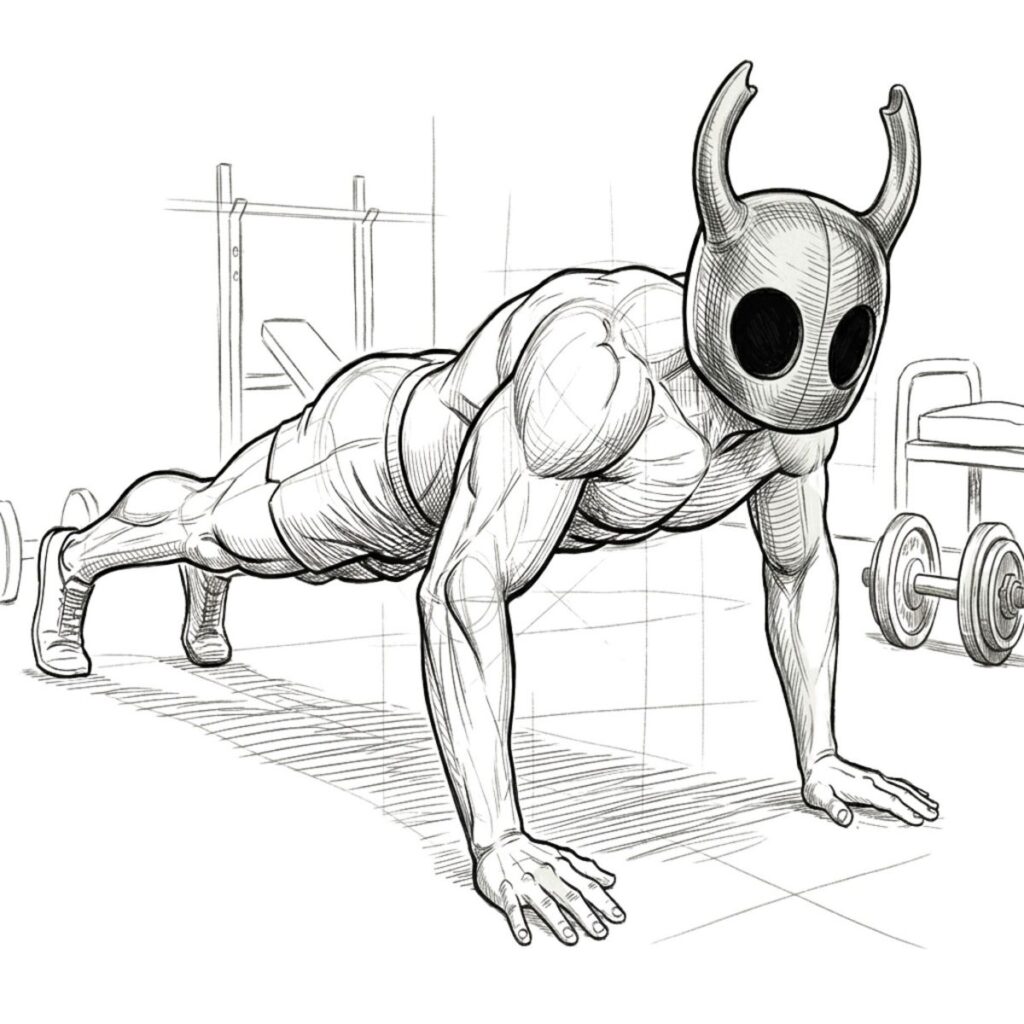
The push-up is one of the best bodyweight exercises for building upper-body strength. It requires no equipment and is suitable for almost every fitness level.
How to do it:
Place your hands slightly wider than shoulder-width apart. Keep your body in a straight line from head to heels. Lower yourself until your chest is just above the floor, then push back up.
Where you should feel it:
Chest, shoulders, triceps, and core.
Common mistakes:
- Letting your hips sag.
- Flaring your elbows too far out.
- Not lowering yourself enough.
- Rushing through repetitions.
What it targets:
The push-up mainly targets your chest while also strengthening your shoulders, triceps, and core. It is one of the best bodyweight exercises for building upper-body strength. If you’re a beginner, aim for at least 10 quality repetitions or start with knee push-ups if needed.
2. Pike Push-Up
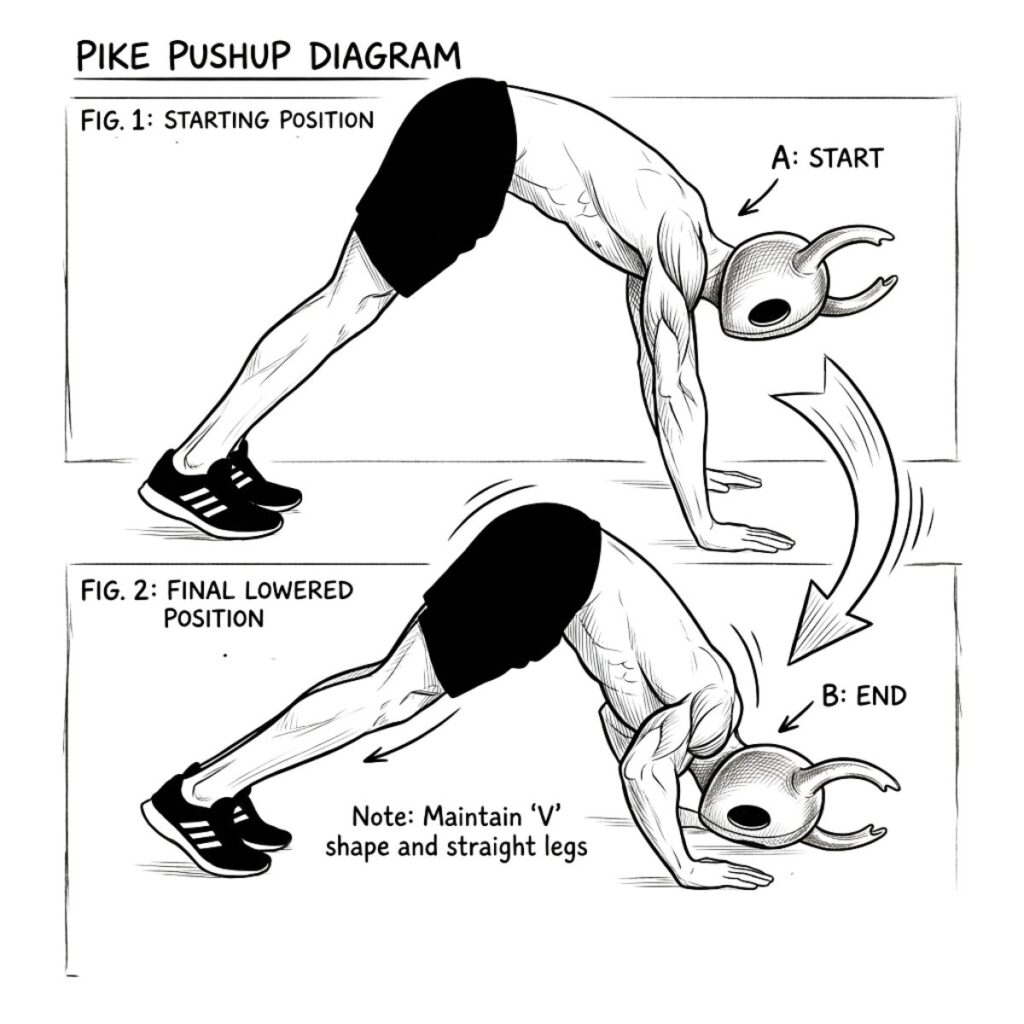
If you want broader, stronger shoulders, the pike push-up is a great exercise to include in your routine. It shifts more of the workload to your shoulders than a regular push-up.
How to do it:
Start in an inverted V position with your hips raised. Bend your elbows and lower your head toward the floor, then push back to the starting position.
Where you should feel it:
Shoulders and upper chest.
Common mistakes:
- Not lifting your hips high enough.
- Looking forward instead of toward the floor.
- Using momentum instead of controlled movement.
What it targets:
Pike push-ups mainly target the shoulders, helping you build strength and definition. They are also a great progression toward handstand push-ups.
3. Diamond Push-Up
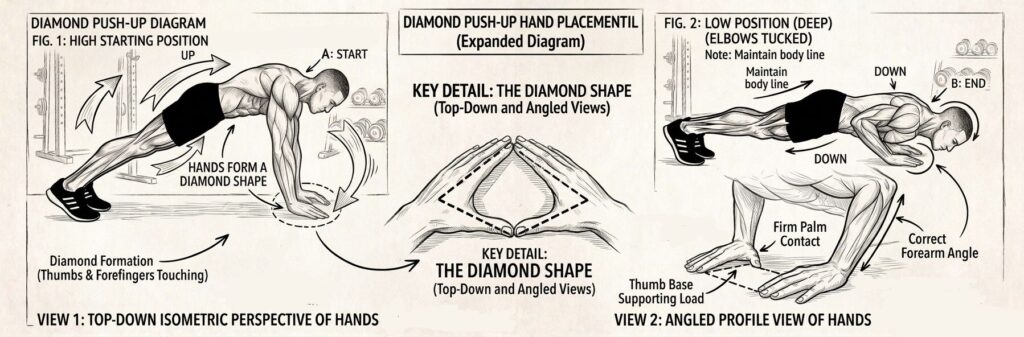
The diamond push-up is a more challenging variation that places extra focus on your triceps while still working your chest and shoulders. It’s a great exercise for building arm strength.
How to do it:
Place your hands close together so your thumbs and index fingers form a diamond shape. Lower your body under control and push back up.
Where you should feel it:
Triceps, chest, and shoulders.
Common mistakes:
- Placing your hands too far forward.
- Letting your elbows flare out.
- Sacrificing form to complete more repetitions.
What it targets:
Diamond push-ups place greater emphasis on your triceps while still working your chest and shoulders. They are excellent for building stronger, more defined arms.
4. Plank
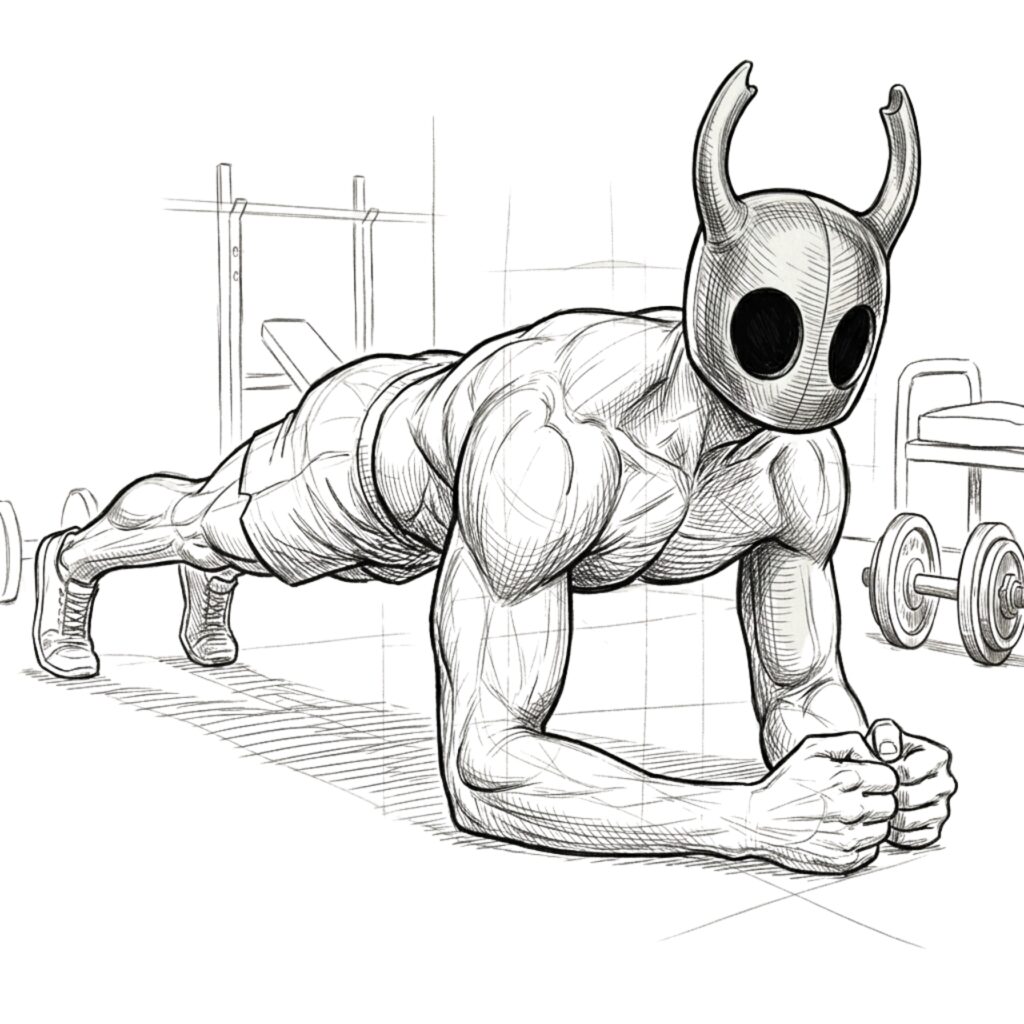
A strong core improves balance, posture, and overall strength. The plank is a simple but effective exercise that trains your entire core without any movement.
How to do it:
Support your body on your forearms and toes while keeping your body in a straight line.
Where you should feel it:
Core, shoulders, and glutes.
Common mistakes:
- Letting your hips drop.
- Raising your hips too high.
- Holding your breath.
What it targets:
Planks strengthen your entire core, improve stability, and help support better posture.
5. Sit-Up
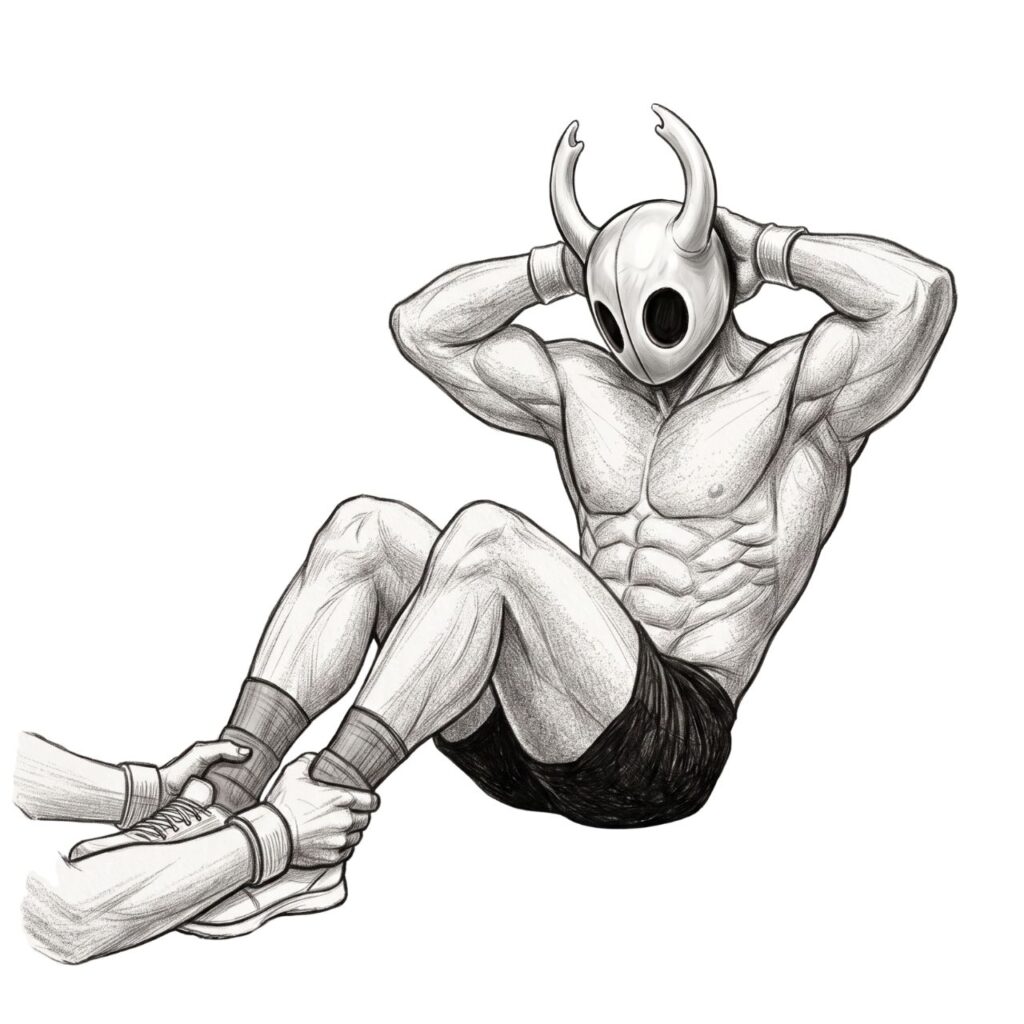
Sit-ups are a classic core exercise that helps strengthen your abdominal muscles. When performed with proper form, they can improve core endurance.
How to do it:
Lie on your back with your knees bent and feet on the floor. Lift your upper body toward your knees, then slowly lower yourself.
Where you should feel it:
Abdominal muscles.
Common mistakes:
- Pulling on your neck.
- Using momentum instead of your core.
- Dropping back down too quickly.
What it targets:
Sit-ups strengthen your abdominal muscles and improve core endurance.
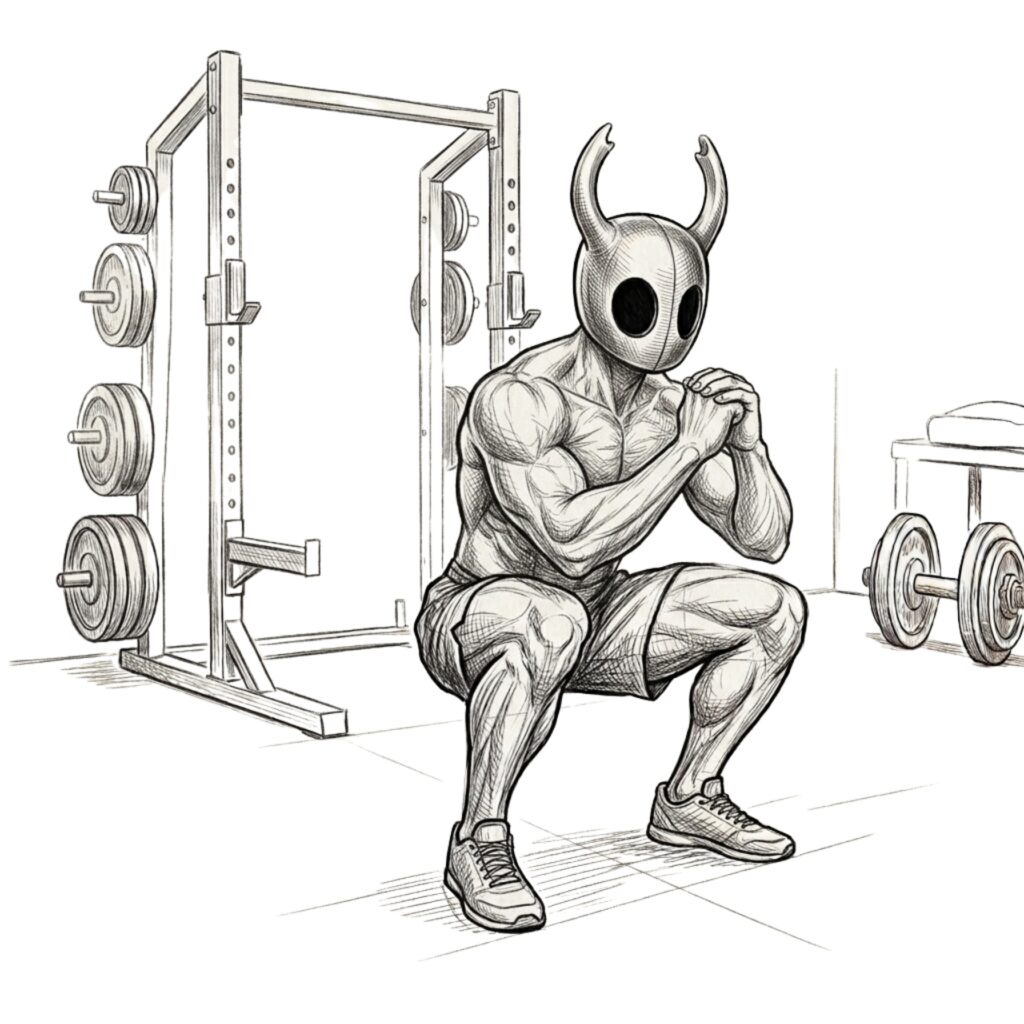
6. Bodyweight Squat
The bodyweight squat is a fundamental lower-body exercise that builds strength in your legs and glutes. It’s also great for improving mobility and balance.
How to do it:
Stand with your feet shoulder-width apart. Push your hips back and bend your knees until your thighs are nearly parallel to the floor. Stand back up.
Where you should feel it:
Quadriceps, glutes, and hamstrings.
Common mistakes:
- Letting your knees collapse inward.
- Lifting your heels off the floor.
- Rounding your back.
What it targets:
Squats strengthen your entire lower body while improving balance and mobility.
7. Jump Squat
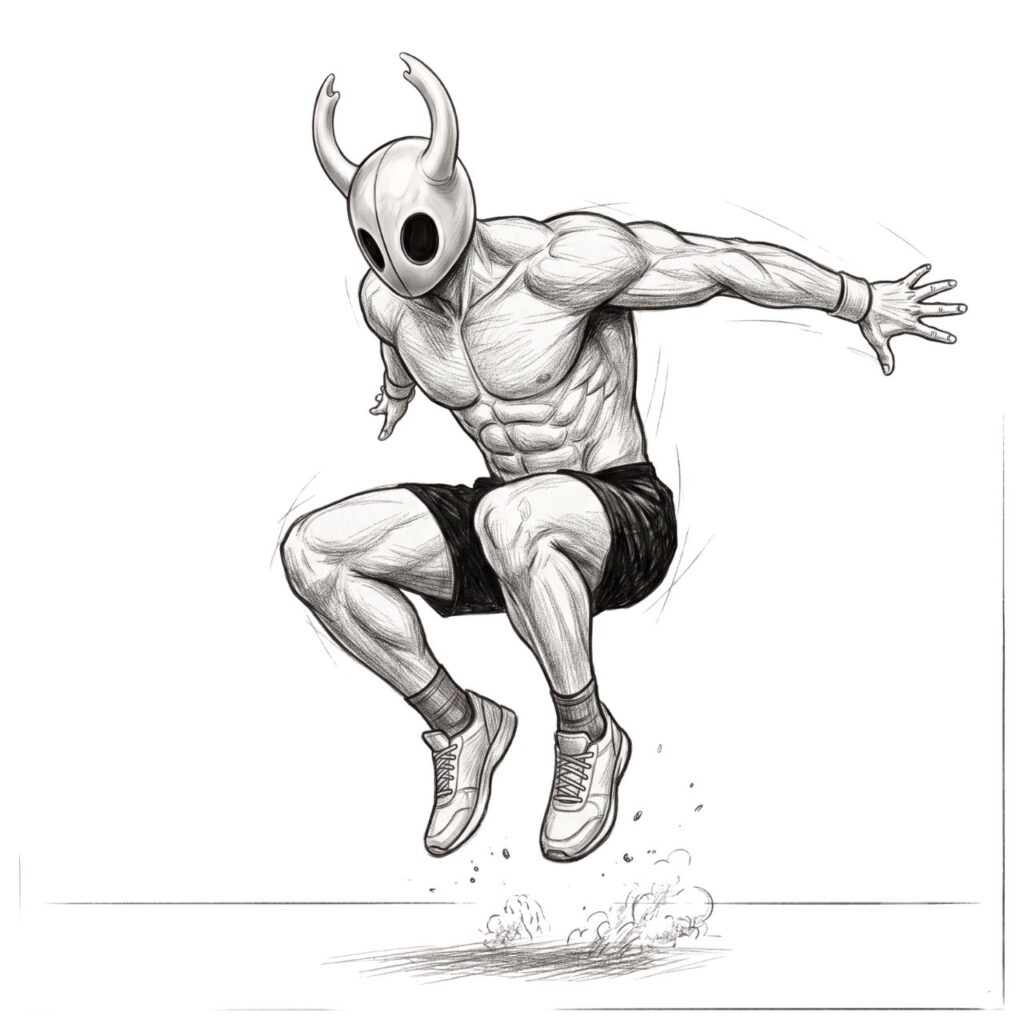
Jump squats add an explosive element to your workout by combining strength and cardio. They help improve lower-body power while increasing your heart rate.
How to do it:
Perform a bodyweight squat, then explode upward into a jump. Land softly and immediately move into the next repetition.
Where you should feel it:
Legs, glutes, calves, and cardiovascular system.
Common mistakes:
- Landing with stiff knees.
- Not controlling the landing.
- Losing balance.
What it targets:
Jump squats build lower-body power, improve athleticism, and increase your heart rate, making them a great finisher for any workout.
How to Turn These 7 Exercises into a Daily Routine
These seven exercises are enough to build a simple daily workout routine. Start with a number of sets and repetitions that feels comfortable, and don’t worry about doing too much in the beginning. Stay consistent, maintain good form, and increase the difficulty as you get stronger.
| Fitness Level | Reps / Time | Round |
| Beginner | 5–10 reps per exercise, 15–20 sec plank | 1 round |
| Intermediate | 8–15 reps per exercise, 30–45 sec plank | 2 rounds |
| Advanced | 12–20 reps per exercise, 45–60 sec plank | 3 rounds |
Conclusion
Fitness is a long-term journey, and staying consistent is far more important than having the perfect workout plan. The simpler your routine is, the easier it becomes to stick with it.
These seven exercises can help you build strength, improve your fitness, and create a solid foundation without any equipment. Stay patient, focus on proper form, and keep showing up. You’ll be surprised by how much progress you can make over time.